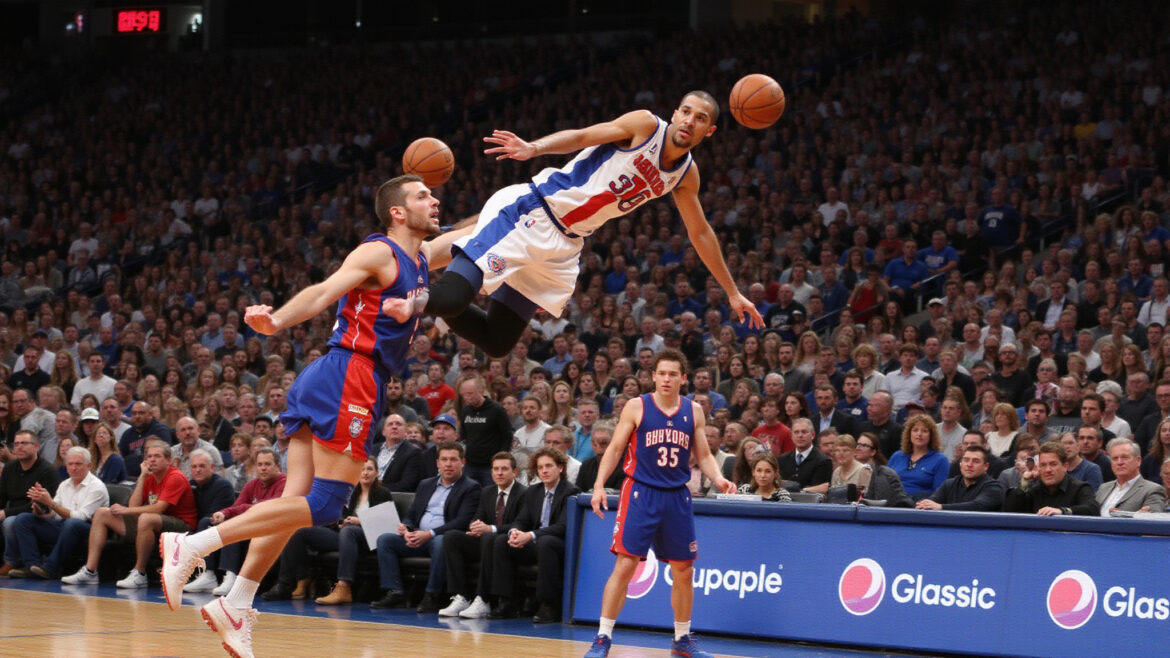
From the gritty courts of Compton to the championship stage in Detroit, Tayshaun Durell Prince carved out a basketball legacy defined by silent efficiency and defensive brilliance. Unlike the flashy stars who dominated highlight reels, Prince built his reputation on subtle mastery—a lean frame executing precision moves, a basketball intellect that anticipated plays before they materialized, and a competitive spirit that never wavered through 14 NBA seasons.
His story isn’t just about basketball statistics or championship rings. It’s about a particular brand of excellence—understated yet unmistakable—that continues to influence both the game and the culture surrounding it. The same qualities that made Prince exceptional on the court—attention to detail, commitment to craft, and distinctive personal style—are reflected in how basketball enthusiasts express their connection to the sport today.
As we examine Prince’s journey from Dominguez High School to Kentucky to NBA glory, we’ll discover how his legacy extends beyond basketball into realms of style, personal expression, and the cultural significance of sports icons who do things their own way.
The Making of a Basketball Original
Compton, California, has produced its share of basketball phenoms, but few possessed the distinctive physical profile and cerebral approach that distinguished Tayshaun Prince from his peers. Born February 28, 1980, Prince developed a game that defied conventional categorization—a 6’9″” forward with guard-like ball handling and a shooting touch that belied his slender frame.
At Dominguez High School, Prince began developing the all-around game that would become his hallmark. Yet unlike many high school stars who dominated through raw athleticism alone, Prince exhibited an early understanding of basketball’s finer points—positioning, timing, and the mental chess match that elite competition demands.
His decision to attend the University of Kentucky placed him in a storied program where his basketball IQ flourished under coach Tubby Smith. During four years as a Wildcat (1998-2002), Prince steadily improved his production, culminating in a senior season that saw him average 17.5 points and 6.3 rebounds while shooting an impressive 39% from three-point range.
The college experience shaped Prince’s game in crucial ways. Kentucky’s system emphasized team defense, ball movement, and making the right play rather than the spectacular one—principles that aligned perfectly with Prince’s natural inclinations. He graduated with 1,775 points (9th in school history at that time), multiple All-SEC selections, and a reputation as a player who elevated his game in the most important moments.
Detroit’s Defensive Dynasty and Prince’s Pivotal Role
When the Detroit Pistons selected Prince 23rd overall in the 2002 NBA Draft, few predicted he would become a cornerstone of a championship team. His rookie season offered limited playing time until the playoffs, when coach Rick Carlisle inserted Prince into a first-round series against Orlando. The rookie responded with defensive tenacity and timely scoring, foreshadowing his value in postseason basketball.
The following year, under new coach Larry Brown, Prince earned a starting position and helped transform the Pistons into a defensive juggernaut. The 2004 championship run cemented his reputation, particularly a defensive sequence against Indiana that ranks among the most iconic plays in playoff history.
With the Pistons leading by two points and seconds remaining in Game 2 of the Eastern Conference Finals, Reggie Miller appeared to have a clear path to a game-tying layup. From seemingly nowhere, Prince’s impossibly long arm extended to block Miller’s attempt, preserving Detroit’s lead and changing the series momentum.
That single play exemplified Prince’s basketball essence—perfect timing, extraordinary length, competitive intelligence, and a knack for delivering in critical moments. Days later, NBA analysts still marveled at the block’s technical perfection. Prince hadn’t jumped particularly high; he had simply calculated the exact moment and angle required to deny Miller without fouling.
As Detroit advanced to face the heavily favored Los Angeles Lakers in the Finals, Prince drew the unenviable assignment of guarding Kobe Bryant. His defensive performance helped limit the Lakers superstar to 38% shooting as Detroit captured the title in a stunning five-game upset.
The championship validated Detroit’s team-first approach and Prince’s place within it. While teammates Chauncey Billups, Richard Hamilton, Ben Wallace, and Rasheed Wallace often received greater recognition, basketball purists appreciated Prince’s contributions—the perfect fifth piece in a starting lineup with no superstar but no weakness.
Over eight seasons as a Pistons starter, Prince’s statistical profile reflected his all-around value: approximately 13 points, 5 rebounds, and 3 assists per game, 37% three-point shooting, and consistently excellent defense. He made four consecutive NBA All-Defensive Second Teams (2005-2008) and played in 496 consecutive games—the longest streak in the league at one point—showcasing remarkable durability despite his slender build.
Beyond Detroit: Later Career and Basketball Evolution
After Detroit’s championship core gradually disbanded, Prince was traded to the Memphis Grizzlies midway through the 2012-13 season. In Memphis, he joined another defensively oriented team that valued his experience and steady production. Later stops with the Boston Celtics and Minnesota Timberwolves preceded a brief return to Detroit before his retirement in 2016.
Throughout these later career phases, Prince maintained his professional approach—never chasing statistics or headlines, simply contributing wherever his teams needed him. His international experience included a bronze medal with the 2008 U.S. Olympic team, where his defensive versatility proved valuable against international competition.
Prince finished his NBA career with averages of 11.1 points, 4.3 rebounds, and 2.4 assists across 937 regular season games, plus 144 playoff appearances. While these numbers appear modest by star standards, they only tell part of the story. Prince’s true value lay in his basketball intelligence, defensive impact, and ability to perform in the most consequential moments.
His post-playing career has included front office roles with the Memphis Grizzlies and Detroit Pistons, where his basketball knowledge continues to influence organizations that value substance over flash—just as Prince did throughout his playing days.
The Prince Style: Basketball Minimalism as Art Form
What made Tayshaun Prince visually distinctive wasn’t flashy moves or explosive athleticism, but rather an economy of motion that approached basketball minimalism. His 7’2″” wingspan on a lean frame created a silhouette unlike any other player—allowing him to shoot over defenders, disrupt passing lanes, and contest shots from unexpected angles.
Prince’s signature left-handed jumper featured minimal wasted motion—a quick, high release that proved remarkably consistent throughout his career. His defensive technique emphasized positioning and anticipation rather than gambling for steals or highlight blocks. Even his running style appeared effortless, covering ground with long, fluid strides that masked his actual speed.
This distinctive style extended beyond basketball fundamentals to Prince’s overall demeanor. In an era when many players cultivated outsized personalities, Prince remained reserved, letting his play speak for itself. Teammates and coaches consistently praised his professionalism and focus on winning above individual accolades.
Off the court, Prince carried himself with similar restraint. His fashion choices typically reflected classic taste rather than trend-chasing—quality garments, thoughtful combinations, and an understanding that personal style communicates values beyond momentary fashion.
Legacy and Influence: The Prince Principle
What might we call “”The Prince Principle”” in basketball? It’s the recognition that excellence doesn’t always announce itself loudly. Sometimes it’s found in the player who makes the right rotation defensively, hits the pressure shot without requiring celebration, and prioritizes team success above statistical achievement.
Prince’s career reminds us that basketball brilliance comes in various forms. While the sport rightfully celebrates its dynamic scorers and athletic marvels, room remains for appreciating those who master the game’s subtleties—the angles, the timing, the chess-like thinking that separates good players from championship contributors.
His influence extends through players who prioritize similar values: defensive versatility, positional intelligence, and consistent production without unnecessary flair. Modern NBA wings who defend multiple positions, hit timely shots, and impact winning beyond statistics carry forward aspects of Prince’s basketball DNA.
The Code 3 Foundation, Prince’s philanthropic initiative, further reflects his values by supporting youth sports programs that teach not just basketball skills but life principles—discipline, teamwork, and personal responsibility. Through these efforts, Prince continues shaping young athletes’ understanding of what sports excellence truly means.
Basketball Expression Through Personal Style
The connection between basketball and personal style has grown increasingly significant across generations of fans. What began with simple team merchandise has evolved into sophisticated expressions of basketball appreciation that incorporate historical knowledge, player-specific references, and individual creativity.
Custom apparel allows basketball enthusiasts to celebrate legends like Prince in ways that reflect personal connection to players who represent certain values or memorable moments. Unlike mass-produced merchandise, customized items can capture specific elements of a player’s career or character that resonated with individual fans.
For Prince admirers, this might mean subtly incorporating elements that reference his defensive excellence, championship pedigree, or understated professionalism. The lean silhouette of his number 22 jersey, the Pistons’ blue and red colorways, or visual nods to that famous block against Reggie Miller provide creative foundations for personalized apparel that carries meaning beyond generic team support.
This approach transforms sports apparel from mere fanwear into something more meaningful—garments that tell stories about both the athletes we admire and our personal connection to what they represent in sports culture.
Quality Craftsmanship: The Connection Between Athletic Excellence and Apparel Artistry
The principles that defined Prince’s basketball career—attention to detail, commitment to quality, and distinctive personal style—find natural expression in thoughtfully crafted custom apparel. Just as Prince mastered basketball fundamentals to create his unique impact on the court, skilled embroidery transforms standard garments into personalized expressions of basketball appreciation.
Quality materials serve as the foundation, much as Prince’s fundamental skills supported his basketball success. Premium cotton sweatshirts, well-constructed hoodies, and comfortable t-shirts provide the canvas for basketball-inspired design elements. The right colors—perhaps Detroit’s traditional blue and red or modernized variations—establish visual connection to Prince’s most iconic team.
Precise embroidery techniques allow for detail and dimension impossible with standard printing methods. When creating basketball-themed custom apparel, these techniques can capture nuanced elements—the arc of a jump shot, the intensity of defensive stance, or the subtlety of jersey numbers integrated into innovative designs.
The result is apparel that communicates basketball knowledge and appreciation through quality craftsmanship—garments that stand out through thoughtful design rather than loud graphics or temporary trends. This approach parallels Prince’s basketball philosophy of substance over spectacle, quality over quantity.
Finding Your Basketball-Inspired Personal Style
For basketball enthusiasts seeking to incorporate their appreciation into personal style, custom apparel offers possibilities beyond standard team merchandise. Consider these approaches when developing basketball-inspired custom pieces:
Thoughtful Color Stories: Rather than obvious team colors, explore sophisticated color combinations that reference basketball heritage while complementing your existing wardrobe. A Detroit-inspired navy and red can be reinterpreted in burgundy and slate blue for subtle basketball intelligence.
Typography and Numbers: Player numbers, significant dates, or meaningful statistics can be incorporated as design elements rather than obvious references. Prince’s number 22 might become part of an abstract pattern or geometric design that carries meaning for those who recognize it.
Location References: Places significant to basketball history—arenas, cities, championship locations—provide rich material for subtle design elements. For Prince fans, the Palace of Auburn Hills or Detroit’s skyline might inform custom embroidery patterns.
Quality Over Quantity: Invest in fewer, better pieces rather than accumulating generic merchandise. A single well-crafted hoodie featuring thoughtful basketball-inspired embroidery will provide more satisfaction than multiple mass-produced items with obvious graphics.
This approach transforms basketball appreciation from mere fandom into personal style expression—creating connections between the values we admire in basketball legends like Prince and how we present ourselves to the world.
The Continuing Influence of Basketball Icons
Tayshaun Prince’s basketball legacy continues through his front office work, philanthropy, and influence on how the game is played and appreciated. His career reminds us that championship basketball requires various player types—not just dominant scorers and highlight creators, but also those who master the game’s subtle arts and perform when stakes are highest.
The same qualities that distinguished Prince as a player—attention to detail, commitment to craft, and quiet confidence—continue influencing both basketball culture and how fans express their connection to the sport’s history and values.
Whether through studying his defensive techniques, supporting his philanthropic initiatives, or expressing appreciation through thoughtfully designed custom apparel, basketball enthusiasts keep Prince’s legacy alive as part of the rich tapestry of basketball culture that extends far beyond statistics and championships.
For those looking to create their own basketball-inspired custom apparel that honors legends like Prince while expressing personal style, quality craftsmanship remains essential. The right materials, expert embroidery techniques, and thoughtful design transform standard garments into meaningful expressions of basketball appreciation that stand the test of time—much like Prince’s basketball legacy itself.